Different Types of Relationships to Write about for your OC Stories
When it comes to making OCs, most beginners are interested in only a handful of types of relationships; friends, enemies, and lovers. When you’re young, these might be the kinds of relationships you find most important or see the most in media, but it’s important to start exploring other types of relationships in your work where you can. Whether it’s a parent and child traveling across the wasteland together, or a pair of coworkers with a professional friendly relationship, let’s get into some examples!
(Also, keep an eye out for another upcoming article about tips for how to write relationship dynamics between your OCs from me!)
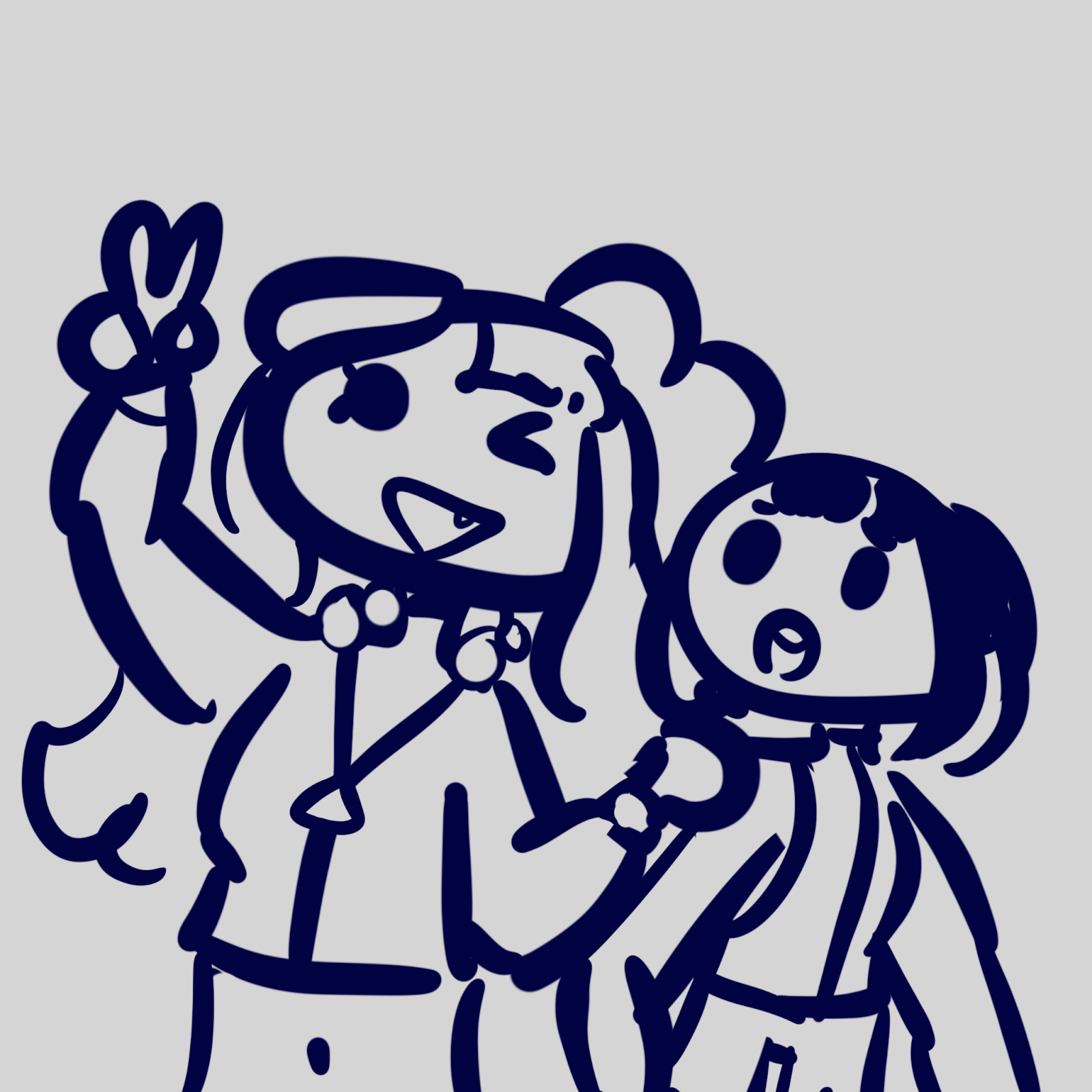
Siblings!
Familial Relationships
Exploring familial relationships between your OCs involves a fair amount of empathy and watching how people interact around you, especially if you don’t have the familial relationships you want to write about in your life. Daydreaming how it might be like to have a sibling or a close knit extended family might be familiar to you, or maybe you’ve wished that you were an only child and didn’t have to deal with your annoying younger siblings. Either way, here are some potential familial dynamics you can try writing about in your stories.
Siblings
Whether you love ‘em or hate ‘em, most people have one. Writing sibling dynamics are a goldmine of different potential interactions because there’s no single way that siblings are expected to act. They can be close and trust each other, distant and cold, or bicker constantly but love each other at the end of the day. Here are some sub-types of sibling dynamics that you can try.
- Twins: Twins tend to be considered close and to have a unique bond, but if two people are constantly seen as two halves as a whole, they might rebel against that perception and even each other.
- Half-siblings: Maybe the characters are the result of a blended family, an affair, a surrogacy, or a one-night stand ages ago. How do your characters feel about sharing one parent?
- Siblings with a 10+ year age gap: Maybe one character went to college while the other was growing up, and they’re estranged because of it; or maybe the older sibling is a cool extra parent figure.
- Adopted/chosen siblings: Sometimes our true family are the people we meet after we’re born. Even if your characters aren’t related by blood, this doesn’t mean they don’t act like siblings.
Parent/Child
I’m sure that at least 90% of you reading aren’t parents, but that doesn’t mean we can’t write them. When it comes to parents in stories starring teens and children, authors often find ways to remove them from a narrative. This is usually because it’s easier to write a fun adventure without parental guidance. But, I do encourage you to at least develop how your character interacted with their parent figure(s) in their early life if you don’t have the parent in the story. Besides that, here are some other similar dynamics:
- Adult and their nibling: (‘Nibling’ is a gender neutral term for niece or nephew.) Sometimes a person is raised by another family member, like an aunt or uncle (or parent’s non-binary sibling).
- Grandparent and grandchild: For those who grew up near their grandparents, this dynamic might feel familiar and comforting to write about. The bridge between generations can be a bit hard to write about, but it’s rewarding.
- Adopted/chosen parent: Maybe your character was adopted at or a bit after birth, as a child or teen, or brought under the guidance of an older mentor figure as an adult.
Other Relationships
- Cousins: Maybe your OC has a large web of extended family with cousins, and maybe those cousins have their own partners and children, adding to the family.
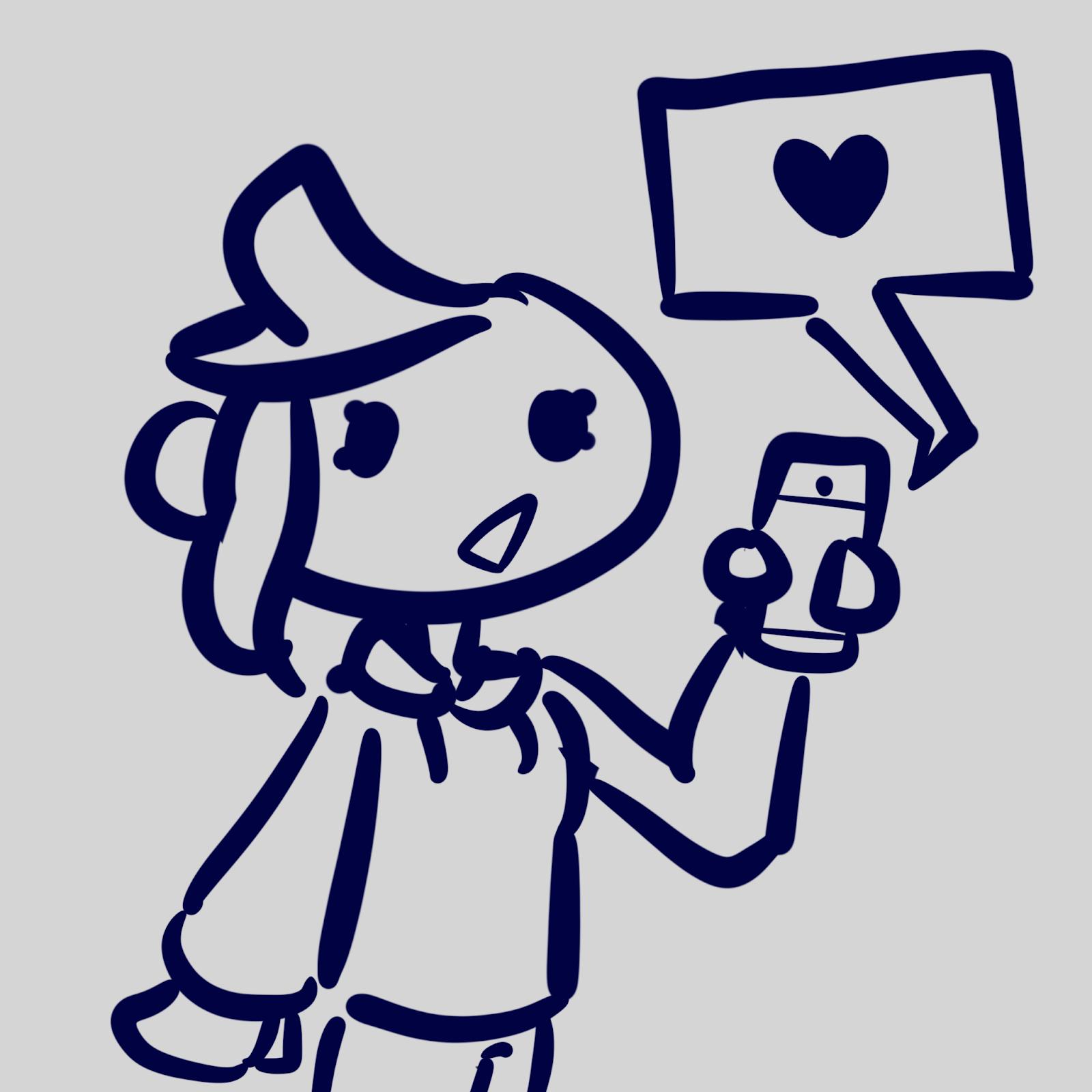
My friends live on my phone!
Friendships and Antagonistic Relationships
I’m putting these two into the same category to keep things quick. There are all sorts of kinds of friendships; each one is unique. The same applies to antagonistic relationships (a fancy way to say ‘arch nemesises’, really), so let’s go through some examples.
- Best friends: The classic. A best friend is your favourite person, whether you love them romantically or not.
- Rivals: Rivals can exist in any situation. As long as two competitive people are in a position to compete, they will.
- Coworkers: A professional relationship between two working adults doesn’t have much room for personal feelings, but you can always change that.
- Boss and employee: Similar to the above, but with a power dynamic. Might not be the best for romance, if HR has anything to say about it.
- ‘Frienemies’: A potentially toxic dynamic of mutual sabotage and pettiness. Sometimes pals, sometimes nemesises.
- Begrudging partners: These characters don’t actually get along or like each other, but they work well together.
“I don’t even know who you are?” Sometimes a character will hold a grudge against another without them even realizing.
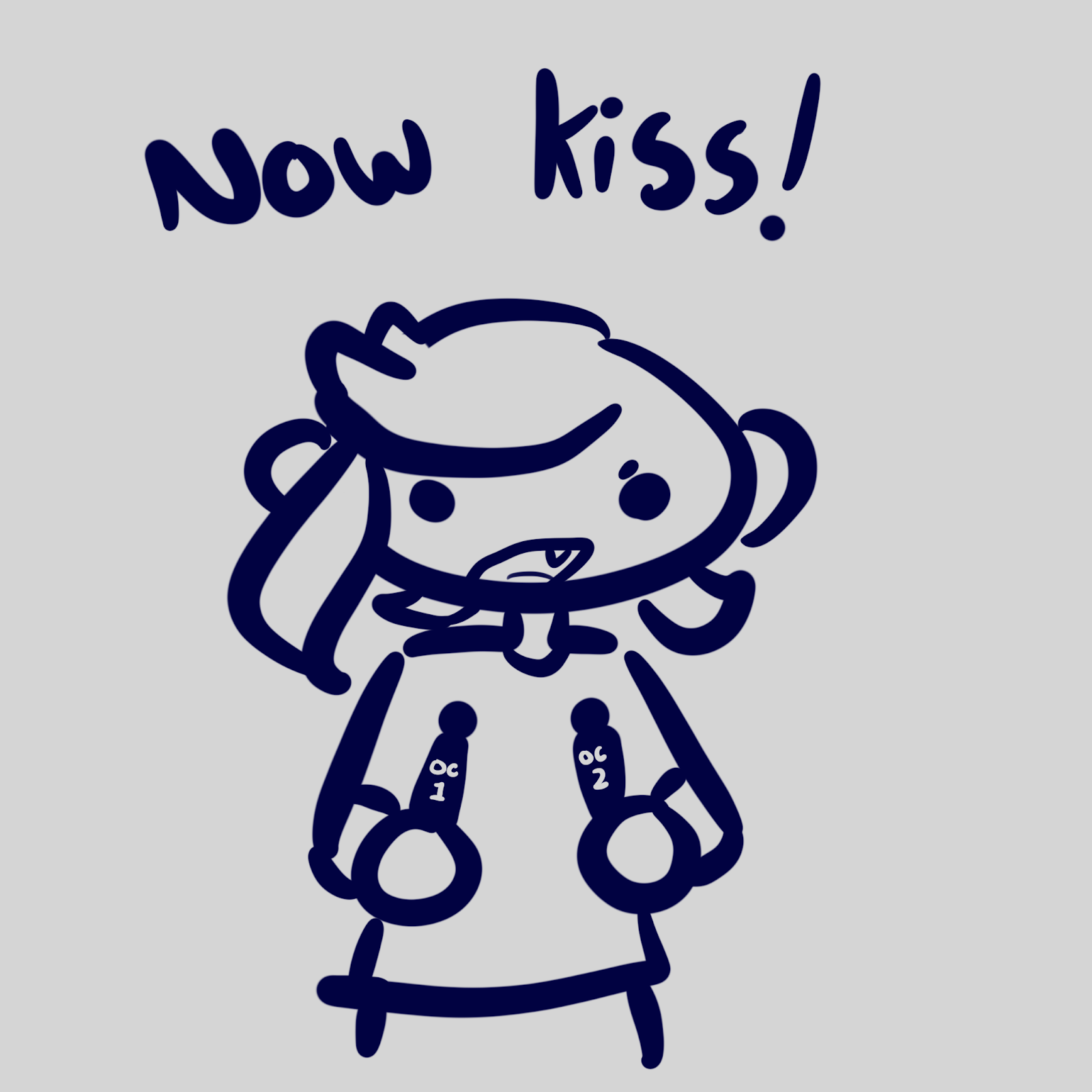
They are married, your honour.
Romantic Relationships
Romance is in the air~! One could argue that February is the most romantic month, but when you live up north like this blog writer, it’s another month of snow and cold weather. But maybe your OCs are taking advantage of this to cuddle up together… Anyways, something a lot of writers struggle with or outright ignore is writing characters who are in established romantic relationships. You’ve likely seen or read more media that’s about falling in love rather than the promised ‘happily ever after’. So along with the usual tropes, here are some different kinds of romantic relationships you might not consider!
- Best friends to lovers: These characters start as best friends, and then transition neatly into lovers. There’s probably not much different than before, except maybe more handholding?
- Exes meet again: Maybe it didn’t work out the first time; maybe they’re high school sweet hearts who moved away for university, and met again in their home town, interested in rekindling their romance.
- Arranged marriage: This could be a classic use of the trope with the two falling in love, or maybe it could turn into something else; two queer people forced together finding lovers outside their marriage, maybe. In that case, it could be a type of friendship or partnership instead.
- Happily ever after: These OCs have done the whole marriage thing, and now they’re ready to be a married couple. But what does that entail? After the honeymoon phase, maybe happily ever after is harder work than they thought…
- Polyamory: A relationship that includes more than two people built on communication and consent.
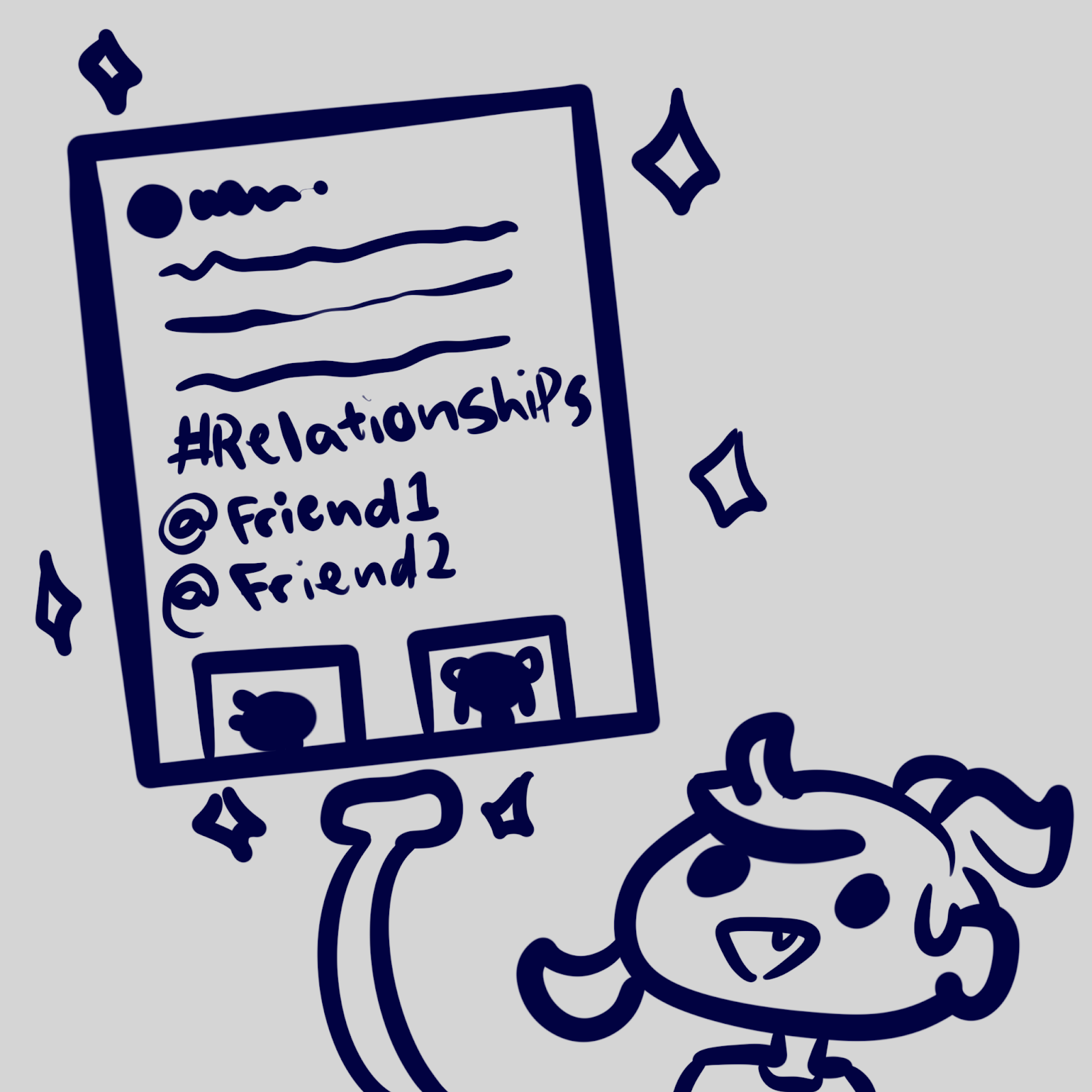
A challenge for you, the reader!
So, what do you think? Are there any new relationships you’d like to explore in your work? Now that we have the new tagging feature, let’s try it out!
- Use #relationships in a post about your OCs and their relationships.
- Then, tag one or more of your friends or favourite creators who have OC relationships and challenge them to share!
- Let’s see how many posts we can create about our OCs.
Thousands of people are waiting to read your stories!