
Gijinka Design 101: Turning Objects Into Characters
The perfect place to start for creating a Gijinka from an author who has made over 100!
One of the largest projects I've worked on for Unvale was designing over one hundred original gijinkas based on weapons from the gacha game Genshin Impact. It taught me a lot about what makes a gijinka design actually work, and what tends to make one fall flat.
What Is a Gijinka?
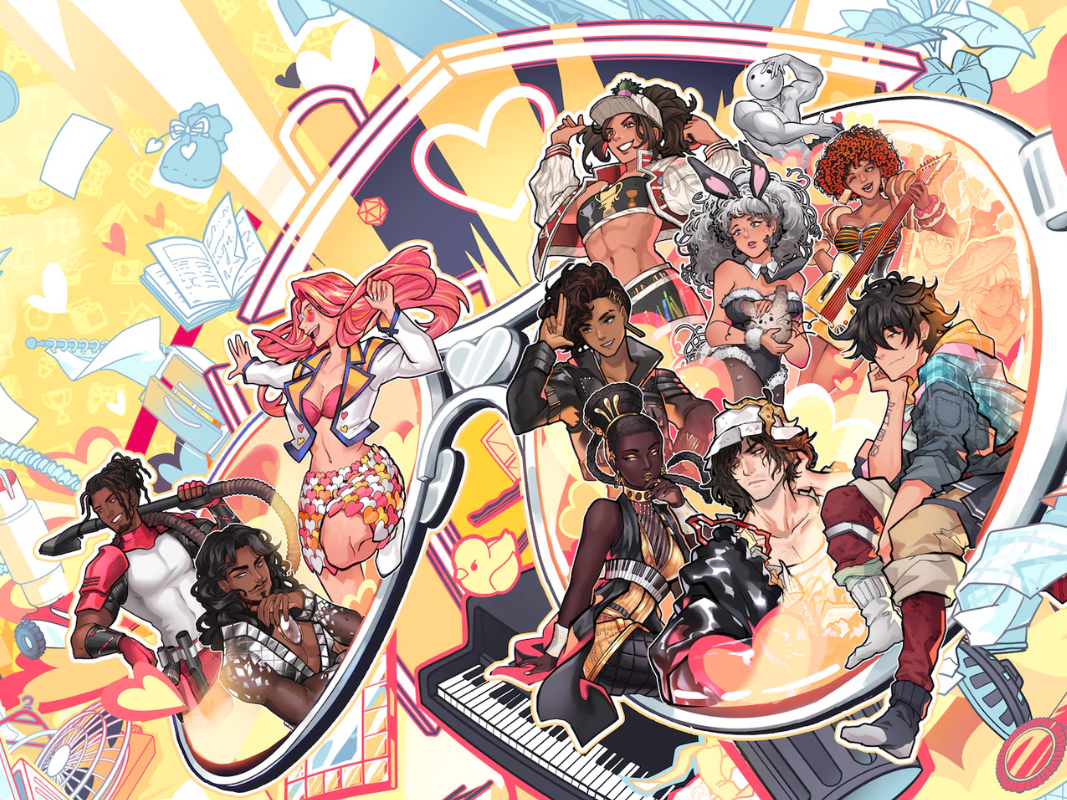
Gijinkas overlap with furry design conventions, and Pokémon fans will recognize the concept from the many gijinka interpretations of different objects over the years. They also show up in games and media well beyond that, such as Date Everything, a dating simulators that let players romance a personified household object.
The most important rule when designing a gijinka is this:
A gijinka must be recognizable next to its original.
Recognizable vs. Faithful
I say "next to its original" rather than "as its original" because recognizability and faithfulness aren't one and the same. If the aesthetic you're going for doesn't quite match the object, you'll need to take more artistic liberties. One of my own recurring challenges was designing around a greatsword blade, which often ended up as a panel in a dress pattern. That works fine if you're aiming for an elaborate dress silhouette, but otherwise it takes some rethinking and re-sketching to land on the right interpretation.
That said, if you'd rather go further and create something only loosely inspired by the source object, that's valid too. It may not technically qualify as a gijinka, but it's still a strong design in its own right.
Balancing Simple and Complex Sources
Staying too close to the original can sometimes work against you, particularly when the source object is very simple or very complex. A design based on something as plain as a copper pipe with attached gauges will naturally lean minimal, since there's not much detail to draw from. In that case, it helps to think about which elements you can repeat or expand on to add visual interest.
On the other end, a design based on something ornate or intricate can become over-designed, to the point that some of the costume elements lose clear function. For this scenario, it's worth stepping back and asking whether you're designing a gijinka or simply a costume.
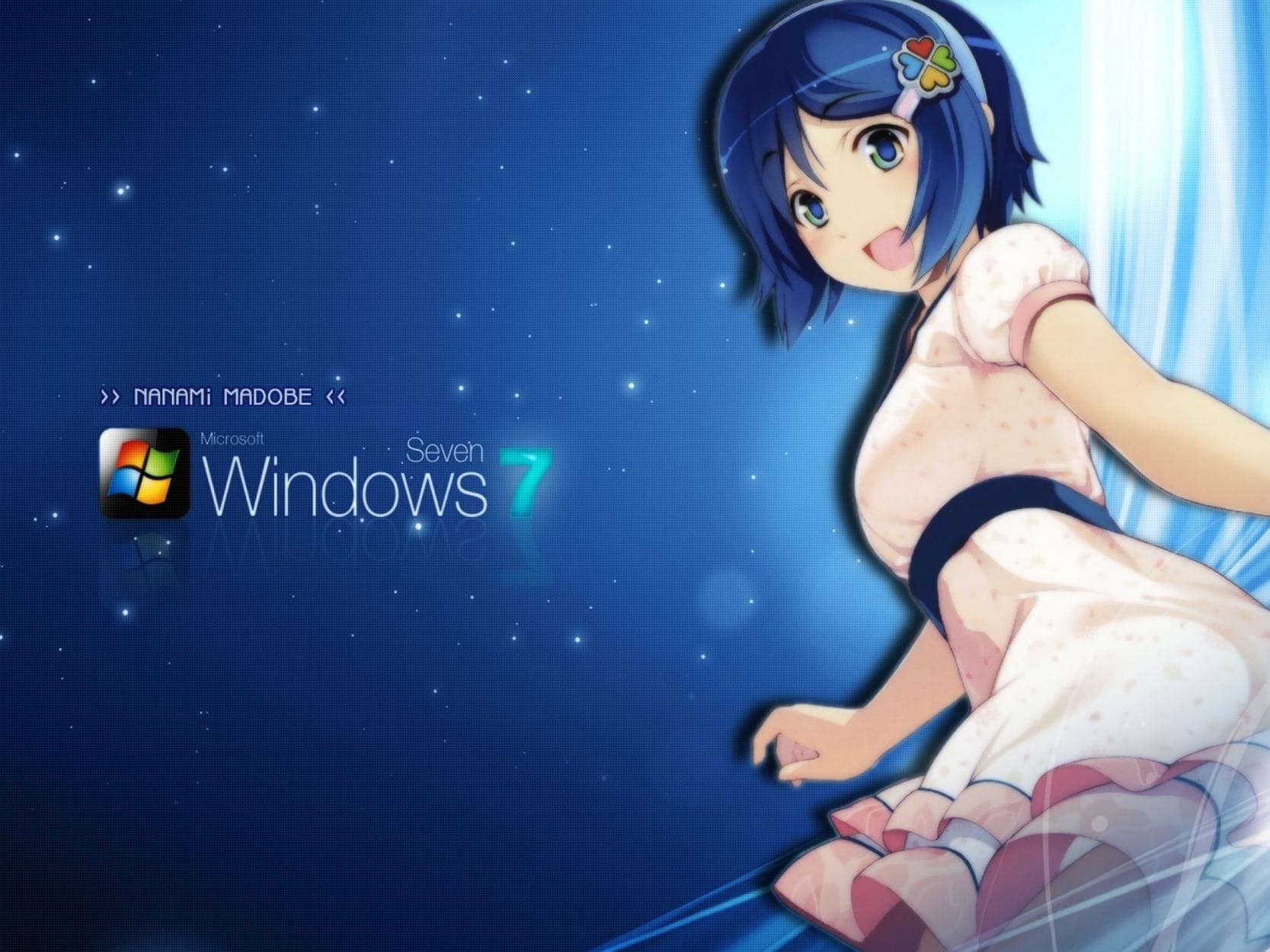
The best results usually strike a balance between the two: recognizable enough to connect to the source, but restrained enough to still function as an outfit. Take Microsoft Japan's Gijinka for Windows 7 – aptly named Nanami. Her blue hair and barrette with that classic color combo makes it pretty clear what she represents.
My Process: Abstracting the Object
This next part is more of a personal method than a hard rule for gijinka creation. I start by abstracting the object – looking at its individual components and imagining what role each one could play in an outfit. If a piece reminds you of a scarf, let it become a scarf for your character. A few examples of this kind of translation:
- Use teeth from a creature or a chainsaw as a zipper
- Turn tattoos or markings into fabric patterns
- Use hanging beads or charms as earrings
- Use woodgrain from wooden objects as texture for hair or clothing
- Translate patterns on the object into embroidery or printed fabric
- Carry elements of the object into the hair or other non-clothing parts of the design
If you have access to a tablet, or even just a printer and scissors, it can help to physically arrange cutouts of the object on a character base. This kind of direct reference work is genuinely useful, not a shortcut to feel embarrassed about.
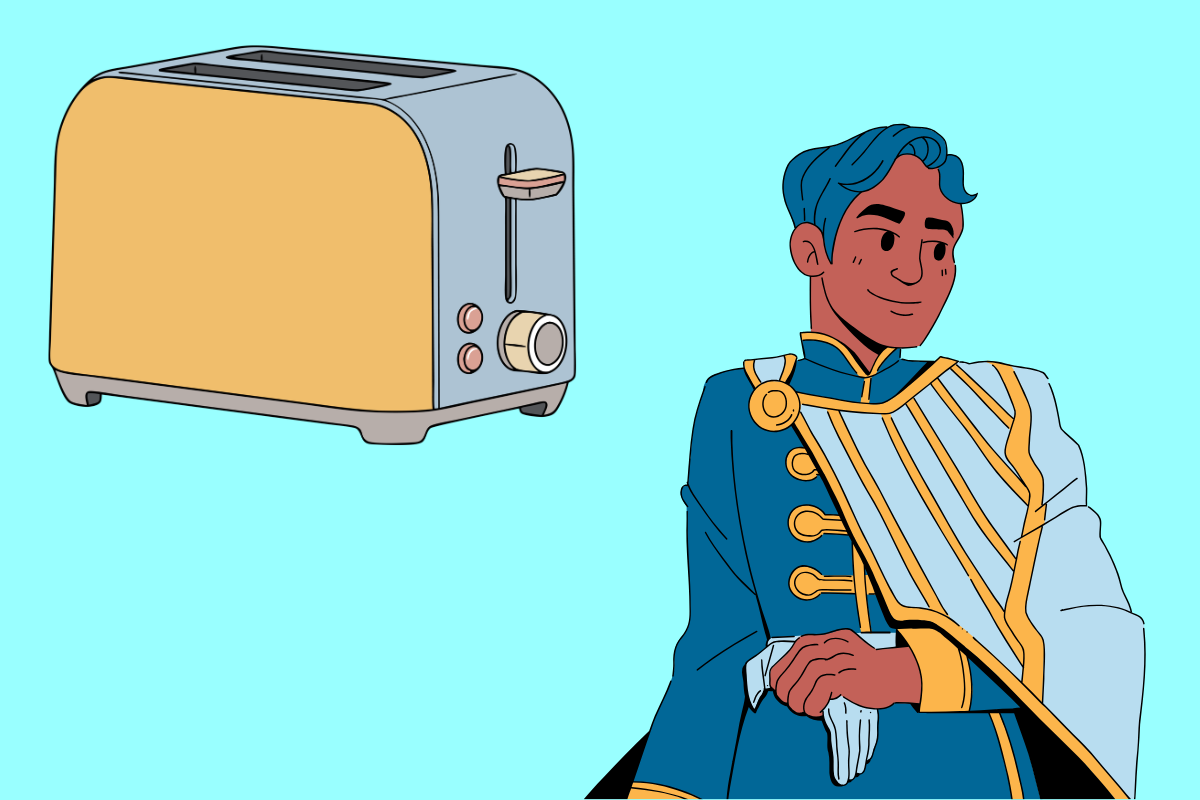
Some artists struggle to visualize transformations mentally, and working with a physical or digital collage makes it much easier to test ideas. A piece you expected to work as a sleeve might end up reading better as a shoe once you actually move it into place.
Design What You Love
Finally, it's worth designing gijinkas of things you genuinely care about – whether that's a plushie from childhood or a weapon from your favorite game. Designs tend to turn out strongest when the source material means something to you. And the more of your own perspective you bring to the piece, the more distinctive the result will be.
Now that you have everything you need to get started, it's time to create your own gijinka and share it with the Unvale community!