
Mermaid Legends for OC Inspiration
Get inspired by these mermaid legends to create your own mermaid OC.

This is a companion article to Whimsical Wonder’s Tips for Designing a Mermaid OC, so check it out!
Generally we think of the western mermaid when we hear the term ‘mermaid’; the top half is a beautiful human woman, the bottom half is a fish tail. While Whimsy’s article covers different designs for mermaids outside the usual style, this article will be taking you around the world to explore different cultural mermaid myths. Let’s start our tour!
The Little Mermaid
Hans Christian Andersen (2 April 1805 – 4 August 1875) was a bisexual Danish author who authored The Little Mermaid, along with other fairytale collections derived from oral folktales told around Europe. The Little Mermaid in particular was inspired by the German fantasy romance novella Undine (1811) by Friedrich de la Motte Fouqué. Both stories feature a supernatural spirit of water as the female protagonist; neither titular character has an immortal soul (like humans do) as a result.
Undine gains a soul through marriage to a human man, but in The Little Mermaid the mermaid is unable to marry and perishes, turning into seafoam. She is redeemed by her pure heart and striving to gain a soul and become a spirit of air. By doing good deeds for the rest of her existence, she can eventually gain a soul and go to heaven.
Here are some takeaways you can use for your OCs!
- A mermaid becomes mortal and gains a human soul through marriage to a human.
- If a mermaid strives with all their heart to become human, they can become an air spirit instead.
- In Undine, water spirits who are berated or treated poorly by their partners near water sources are whisked home by their family.
- In Undine, if the spirit’s partner betrays them and marries another while the spirit still lives, the spirit is compelled to murder their spouse. They can only be kept at bay by avoiding water sources.
Japan’s Ningyo
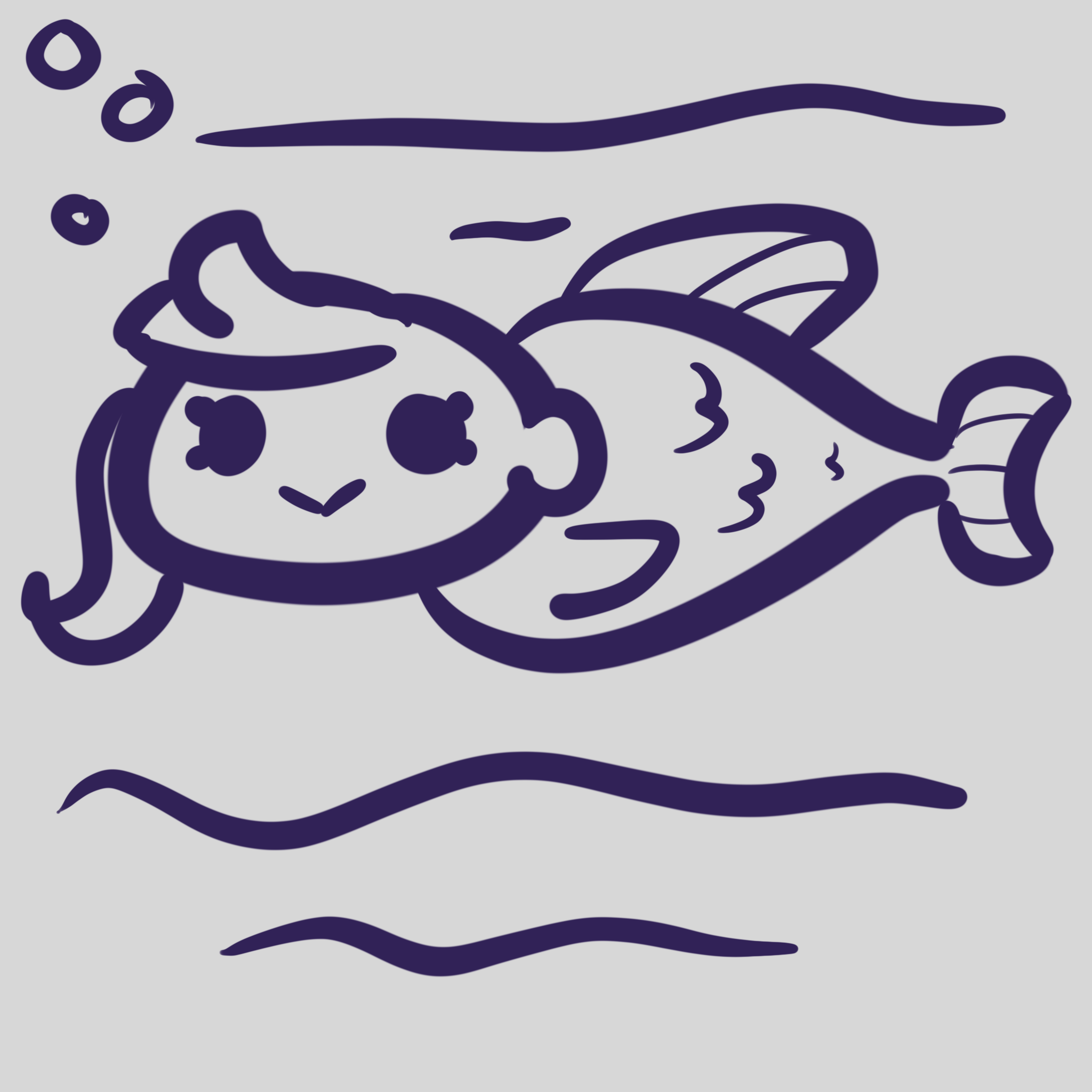
The ningyo are a type of youkai (Japanese spirit or supernatural entity) that are traditionally depicted as fish with the head of a human woman, but various versions exist partially due to European influence. They’re known for their mysterious flesh, which when consumed, grants eternal life (or 800 years of life). Ningyo are just as dangerous as most youkai, however; they can curse their hunters with natural disasters such as earthquakes or tsunamis.
If you’re curious about experiencing a story about ningyo, I’d recommend the game Paranormasight: The Mermaid’s Curse (2026). It’s a horror visual novel style game, so be advised!
Here’s some lore you can use!
- Ningyo have the face of a gorgeous woman, and their bodies also can have human torsos; some are scaled and monsterous, some are more human.
- Ningyo flesh can give the one who eats it immortality; or eternal youth for 800 years, like the mythical Yao Bikiuni.
- The ningyo can curse those who harm them or capture them with natural disasters.
Ireland’s Merrow
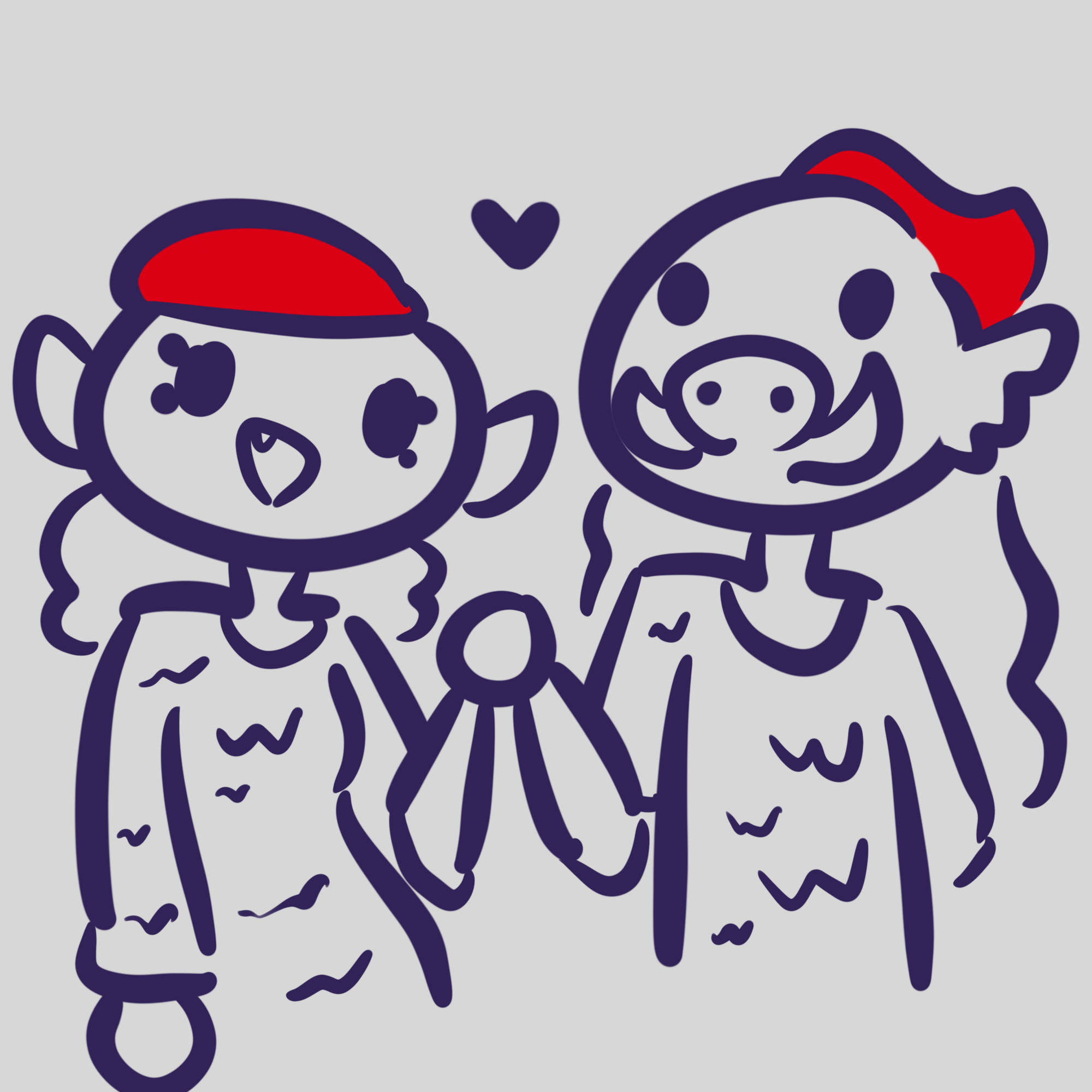
The Irish merrow are also known as red cap or red cape mermaids for their distinctive red headwear known as cochaillín rúin. By taking off their caps, they can become human and walk on land. In their true form, they have green hair, webbed hands and wear shiny garments that resemble fish scales. Male merrow are depicted as more monstrous than their female counterparts with scaled bodies, pig-like noses and tusks.
There are three main ‘cycles’ or myths about the Merrow according to this article by Daniel Kirkpatrick (which was my main source for this section, so you should go read it);
- A female merrow’s cap is stolen by a human man, who coerces her into and unhappy marriage; if the merrow finds her cap, she returns to the sea and abandons her spouse.
- Merrow guard treasure from shipwrecks and store the souls of drowned sailors inside of jars.
- Merrow sing or cry before storms which are recognized as warnings against going to sea by sailors.
The Selkie
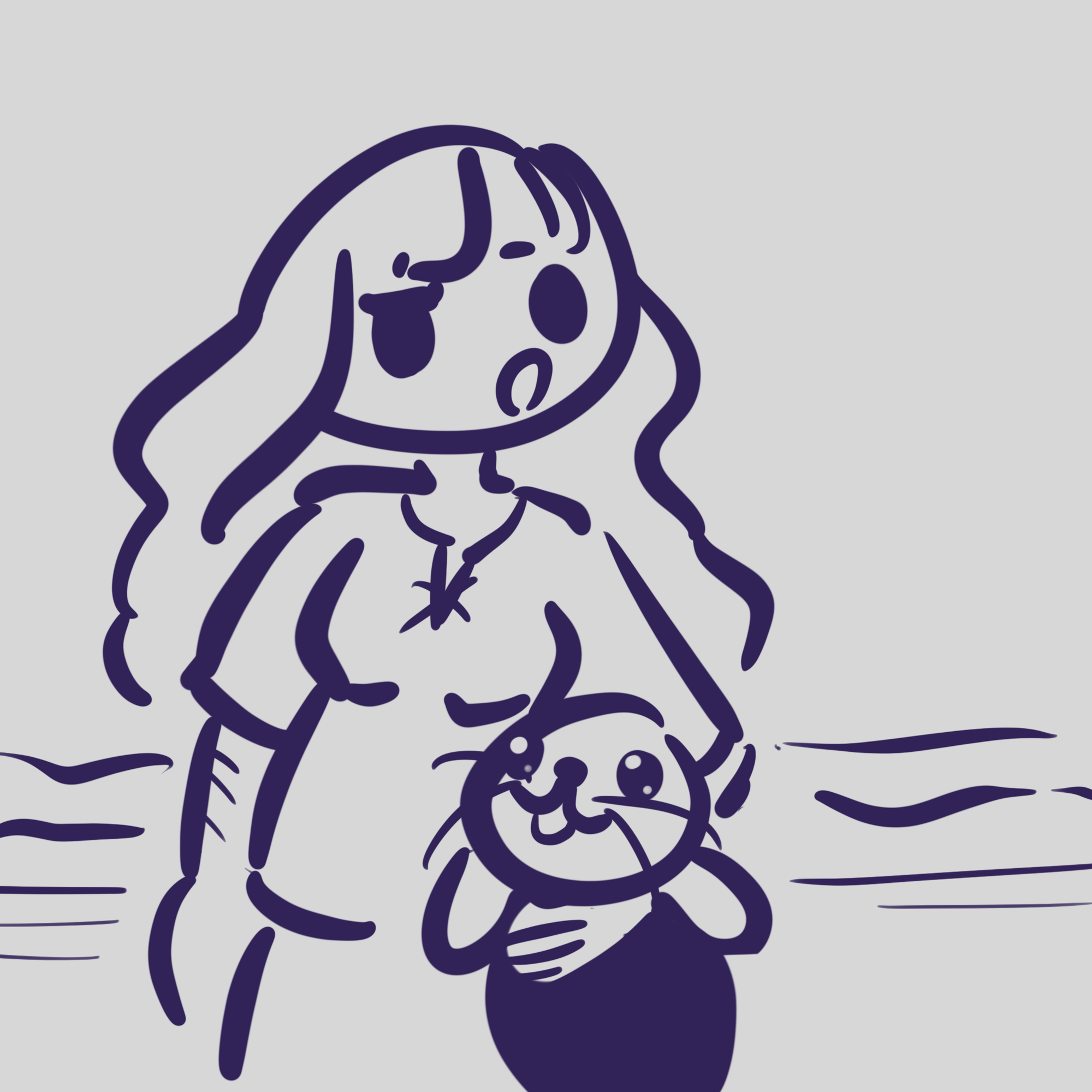
The selkie originates from Scotland, but similar tales of shapeshifting seal women exist in Iceland and the Faroe Islands. Selkies are a race of supernatural creatures who can transform from seals to humans by removing their seal skin.
Scottish selkie tales about marriage involve the same yearning for the sea and their home that Irish Merrow tales have, but the selkie often has children with her partner who sometimes discover and return her seal skin to her so that she can return to the sea. This falls under the ‘animal bride’ or ‘swan maiden’ archetype, and in fact, animal bride stories have unique variations across the world! Perhaps your culture has one too.
There are many kinds of seals around the world, so don’t be shy in finding one to inspire a selkie OC.
While Whim’s article focused on sharing merfolk, here are some selkie OCs from UnVale’s community!
- Eira, a ribbon seal selkie, by user quallengeist
- A Twisted Wonderland OC, Lir Delmar, by user artwithkroe
- The mysterious Vivienne Winters, by user iLikeCake
- Iankar, a leopard seal selkie, by user Emberheartsarts
Use the hashtags #selkie, #merrow, and #ningyo to show off and find more amazing community OCs!
I’m also pleased to announce our new community, the Unvale-Blog community! Do you want to share your mermaid and selkie OCs with other blog readers along with Whim and I? Well, feel free to post your OCs, art, and writing related to and inspired by our blogs to the community~! (And if you want to draw fanart of Whim, you can post it there. Shhhh, don’t tell them I told you to do this…)
I’d personally love to see posts about your culture’s mermaid myths and stories, so if you have any stories to share, please do!