
Why Every OC Needs a Goal
Learn how to give every OC a driving force.

When designing an OC, giving them a goal is like installing an engine in a boat. You can have all the structural details, backstory and appearance written down, but without a goal to drive them forward, your OC will drift along wherever the story takes them. All of this to say, a goal is a driving force that moves your OC through the world.
In my past article on 5 Big Questions to Help Develop Your OCs, the second question was “What’s your OC’s main goal?”, and I focused on the importance of giving your OCs goals. This article will expand on how you can use your character’s goals to drive your story and characters forward.
- Why You Shouldn’t Give Your OCs What They Want
- Wants Verses Needs
- When Success Creates Conflict
- What To Do After Success

Why You Shouldn’t Give Your OCs What They Want
You might ask what the point of giving a character a goal is if you never give them what they actually want. Maybe they want revenge, to regain their social status, or to become someone important; but once a goal is fulfilled, you can’t use it to drive the character anymore. If you’re not careful, they might have nothing left to aspire for until you give them another goal (which we’ll discuss a bit later).
So, if you plan on fulfilling a goal make sure you set another goal of equal effort or value first. This way, you’ll have an easy springboard from solving one problem to dealing with a new one. Having multiple goals at once is also useful for driving conflict if the character has to choose one goal over another.
Forcing your OC to choose between furthering their goals and something else is also an excellent way to drive conflict. Here are some examples:
- Your OC has a chance to achieve revenge, but taking this chance will hurt an innocent person. Will they dirty their hands for the sake of revenge?
- In order to regain their spot in high society, your OC has to ruin the reputation of their best friend who helped them at their lowest moment. Will they sabotage the only person who believed in them?
- Your OC has a chance to steal something that would help with their goals, but doing so could mean getting hurt. Will they risk their health for their goal?
Wants Verses Needs
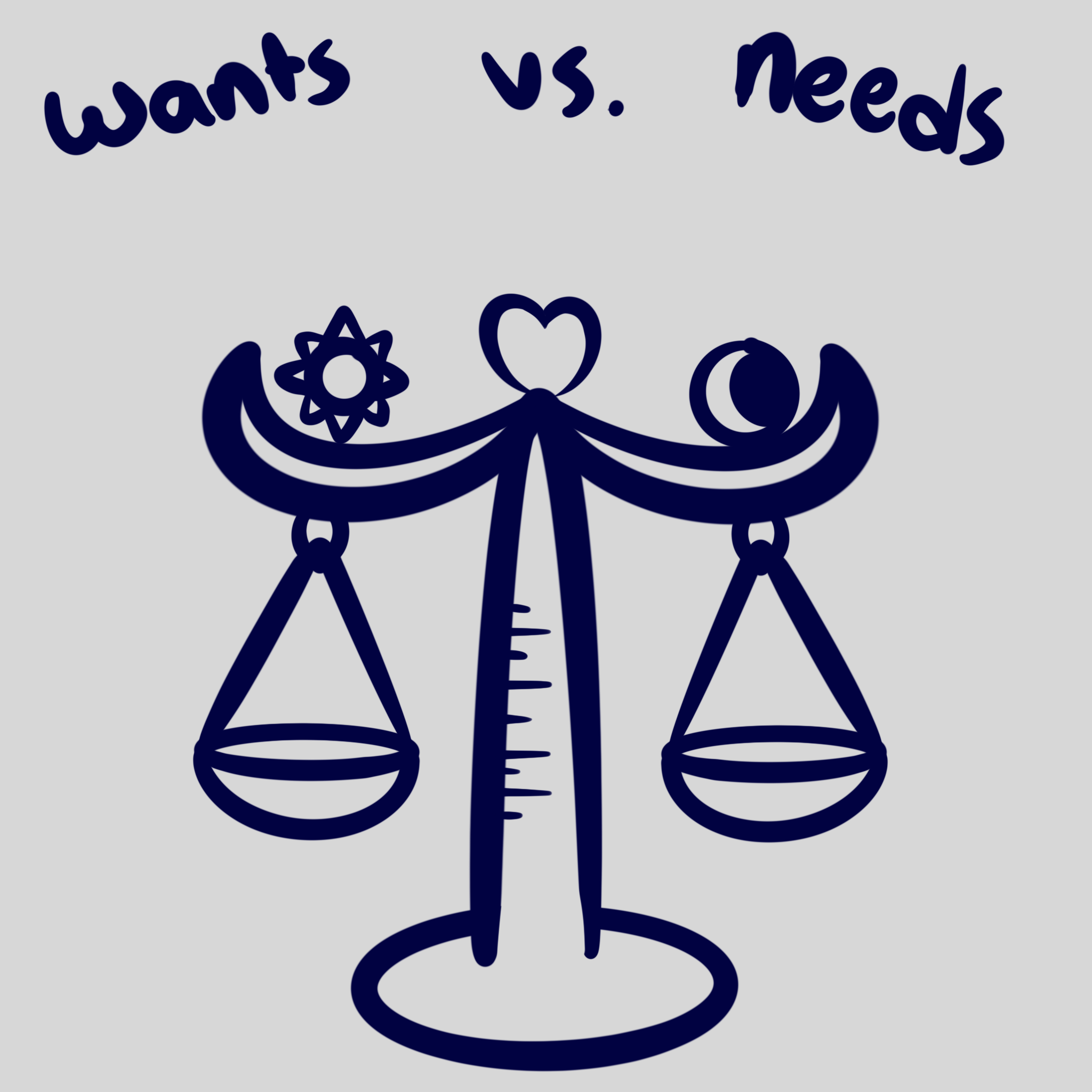
A ‘want’ isn’t always a ‘need’. Needs are usually food, warmth, shelter, safety, comfort and human contact. A want can be candy, a mansion or being famous; I’m sure you can think of plenty of more examples. When a character sets a goal, it’s usually a short-term or long-term want. As a writer, it’s up to you to consider what a character wants and what they actually need.
They might want revenge, but will revenge actually make them happy? Maybe what they need is someone to rely on and to build up a new life. Sure, getting back their noble title would let them return to their comfortable life, but are they returning to it only because it’s familiar and high-stress? Maybe what they need is calm and time away from their toxic environment with the chance to make their own decisions. Try considering giving your OCs what they need instead of what they want, even if they don’t understand that it’s necessary for their happiness.

When Success Creates Conflict
If you plan carefully, a character succeeding in a goal or getting what they wanted can be a chance to plunge them even further into disaster. True love can become a dangerous obsession, the people they crushed to move up can return to drag them back down, obtaining fame can lead to enemies bringing up old mistakes, and winning the lottery can turn everything they thought they could trust against them. If you’re familiar with the horror short story The Monkey’s Paw, you’ll understand the narrative value of a wish gone terribly wrong.
Even if meeting the goal is wholly a good thing, you can use it to create new problems. If your character took revenge, they might have to avoid the law and the consequences of revenge or if they restored their social status, they might have to battle against their old friends and social circle. The character’s new situation creates new problems, and you can continue your story from something that could be seen as an end point.

What To Do After Success
After your OC achieves their goal, there are a few routes you can take. Like I mentioned earlier, having a second long-term goal set up and prepared to use next is important; your audience can usually tell when you’ve written yourself in a corner and need to throw out a new goal to work towards. If the goal seems contrived and has been hastily introduced, your audience will notice. Your next character goal should be a logical next step for the character. If it feels like the new goal will lower the stakes and make things less tense, you might need to rewrite or have that new goal clash with the goals of another important character.
It’s important to make sure your character doesn’t remain without a goal for an extended amount of time. It’s not uncommon for authors to kill off characters once they’ve completed their goal and character arc, so it’s possible your reader might assume that’s what you’re planning on doing. It’s not a bad idea if you don’t have anything left to do with the character, and killing them would be an effective way to move your story forward, especially if they would just float around in the background for the rest of the story. Personally though, I’d always recommend trying to find new ways to use your established characters so you don’t have to introduce new ones.
If you want to share your character goals, you’re welcome to make a post in our Unvale-Blog community! Come share your OCs with us.